
Natural vs. Synthetic Turf: Comparing Performance, Cost, and Sustainability for Modern Sports Venues
Quick Answer:
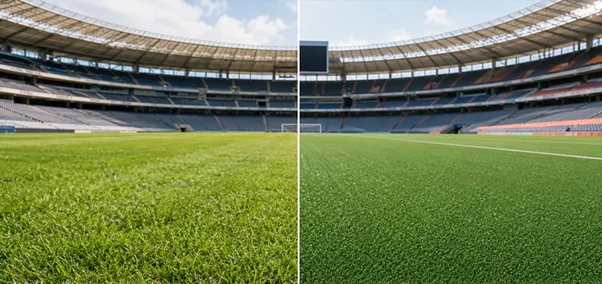
For most high-usage, multi-event stadiums, synthetic turf systems deliver lower lifecycle costs and higher usage capacity, while natural grass turf offers superior player comfort, cooler surface temperatures, and better biodegradability. The right choice depends on usage hours, climate, budget cycle, and sustainability targets — not on which surface is universally "better."
Introduction
Venue owners, athletic directors, and facility developers face a recurring decision every time a new field is built or an aging one is renovated: natural grass turf or a synthetic turf system? The debate over natural grass vs. artificial turf has intensified as stadiums, universities, and municipal sports complexes are pushed to do more with tighter maintenance budgets, denser event calendars, and growing pressure to adopt sustainable sports turf systems.
This article breaks down the real performance, cost, and environmental trade-offs between the two, giving procurement teams and facility planners a practical framework for choosing the right sports field surface solutions for their venue.
Understanding the Two Systems
Natural Grass Turf
Natural grass turf is a living surface composed of turfgrass species (Bermuda, Kentucky bluegrass, ryegrass, or hybrid blends) grown over engineered soil or sand-based root zones. It has been the default choice for professional and collegiate sports fields for over a century, prized for its playing feel and natural cooling properties.
Modern artificial turf systems are engineered products built from synthetic fibers (typically polyethylene or polypropylene), infill materials (rubber, sand, or organic alternatives), and a shock-absorbing backing pad. Today's synthetic turf for sports venues bears little resemblance to the hard, hot carpets of the 1970s — current-generation systems are designed with FIFA-, World Rugby-, and NFL-grade performance certifications in mind.
Performance Comparison
Player Safety and Biomechanics
Independent studies on sports field surfaces consistently show that surface consistency is the single largest factor in injury prevention. Natural grass, when properly maintained, offers excellent traction and shock absorption — but its performance degrades quickly under heavy use, weather stress, or poor drainage, creating divots and uneven patches that increase injury risk.
Synthetic turf systems offer consistent performance across every event, regardless of weather. This predictability is a major reason professional leagues and multi-use stadiums have shifted toward hybrid or fully synthetic systems over the last decade.
Usage Capacity
This is where the gap is widest:
- Natural grass turf typically supports 20–24 hours of play per week before quality visibly declines, and often needs 6–8 weeks of recovery time per season.
- Artificial turf systems can handle 60+ hours per week year-round, with no seasonal downtime.
For venues hosting concerts, multiple tenant teams, or community programming alongside professional matches, this capacity difference is often the deciding factor.
Weather and Climate Resilience
Natural grass struggles in extreme heat, drought, and heavy rainfall — fields can become unplayable after a single storm. Synthetic systems drain rapidly (often within minutes) and are largely unaffected by rain delays, making them attractive for climates with unpredictable weather patterns.
Cost Comparison
Installation Costs
Natural grass fields are generally cheaper to install initially — typically ranging from $600,000 to $1 million for a professional-grade field with drainage and irrigation infrastructure. Synthetic turf for sports venues installation runs higher, often between $1 million and $2.5 million depending on the system's infill type, shock pad, and certification level.
Ongoing Maintenance
This is where natural grass costs compound over time. Annual maintenance for natural grass fields — mowing, aerating, overseeding, fertilizing, pest control, and irrigation — can run $200,000 to $400,000+ per year for a stadium-grade field, along with dedicated grounds crew staffing.
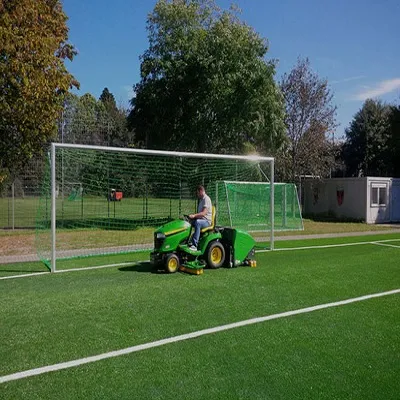
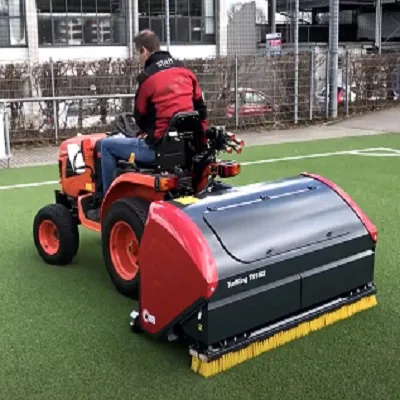
Synthetic turf maintenance is comparatively minimal: periodic grooming, infill top-ups, and occasional deep cleaning, generally totaling $25,000–$50,000 annually. However, synthetic systems require full replacement every 8–15 years, a significant capital expense that natural grass doesn't face in the same way.
Lifecycle Cost Summary
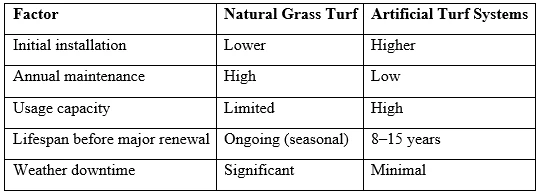
For venues with high event density, synthetic systems typically reach cost parity within 5–7 years and become more economical over a 15-year horizon.
Sustainability Considerations
Sustainability is no longer a secondary concern in venue planning — it's often a procurement requirement. Both surfaces carry distinct environmental profiles, and neither is a clear winner across every metric.
Natural grass sequesters carbon, reduces urban heat island effect, and biodegrades naturally. However, it demands substantial water usage — a single field can require 500,000 to 1,000,000 gallons of irrigation annually — plus fertilizers and pesticides that carry runoff concerns.
Synthetic turf eliminates irrigation, fertilizer, and pesticide use entirely, which is a major sustainability win in water-stressed regions. The trade-off is end-of-life disposal: older synthetic systems were difficult to recycle, though the industry has responded with a new generation of sustainable sports turf systems using recyclable backing materials, organic infill (cork, coconut fiber), and take-back recycling programs from manufacturers.
For venues evaluating natural vs. synthetic turf for modern sports venues through a sustainability lens, the right question isn't "which is greener" in the abstract — it's which trade-offs (water usage vs. end-of-life recyclability) align with local environmental priorities and regulations.
Choosing the Best Turf Solution for Your Venue
When evaluating best turf solutions for stadiums and sports facilities, decision-makers should weigh:
- Usage intensity — Multi-tenant or multi-event venues favor synthetic systems for durability.
- Climate — Water-scarce or extreme-weather regions often favor synthetic; temperate climates with reliable rainfall may favor natural grass.
- Budget structure — Lower capex budgets may favor natural grass; venues optimizing for lower opex over a decade often favor synthetic.
- League and certification requirements — Some leagues mandate natural grass or specific FIFA-certified synthetic systems.
- Sustainability mandates — Local water regulations or ESG commitments may tip the decision either way.
Many modern stadiums are also adopting hybrid systems — natural grass reinforced with synthetic fibers stitched into the root zone — which combine the playing feel of grass with meaningfully improved durability, offering a middle path for venues unwilling to fully commit to either extreme.
Conclusion
There is no universal winner in the natural grass vs. artificial turf debate. Natural turf remains the gold standard for playing feel and ecological function in low-intensity, well-resourced settings. Synthetic turf systems win decisively on usage capacity, weather resilience, and long-term operating cost for high-demand venues. The smartest sports field surface solutions are chosen based on a venue's actual usage patterns, climate, and financial model — not brand loyalty to either surface type.
Frequently Asked Questions
Is synthetic turf cheaper than natural grass in the long run?
Yes, for high-usage venues. While natural grass has lower installation costs, its ongoing maintenance expenses typically make synthetic turf systems more cost-effective over a 10–15 year period.
How many hours of play can synthetic turf handle compared to natural grass?
Artificial turf systems can typically support 60+ hours of play per week, compared to 20–24 hours for natural grass turf before quality declines.
Which is more sustainable, natural grass or synthetic turf?
It depends on the metric. Natural grass sequesters carbon and biodegrades but requires heavy water and chemical inputs. Synthetic turf eliminates irrigation and pesticide use but requires responsible end-of-life recycling, which newer sustainable sports turf systems are designed to address.
How long does synthetic turf last before it needs replacing?
Most artificial turf systems have a functional lifespan of 8 to 15 years, depending on usage intensity, infill type, and maintenance quality.
Do professional sports leagues require natural grass?
Requirements vary by league and sport. Some leagues mandate natural grass, while others certify specific high-performance synthetic systems (such as FIFA Quality Pro) for competitive play.
What is a hybrid turf system?
A hybrid system combines natural grass with synthetic fibers reinforcing the root zone, offering improved durability and faster recovery while retaining the playing feel of natural grass.
 Media Pack Download
 Newsletters
 Industrial Events