
Hybrid Turf Systems: The New Gold Standard for Elite Sports Fields
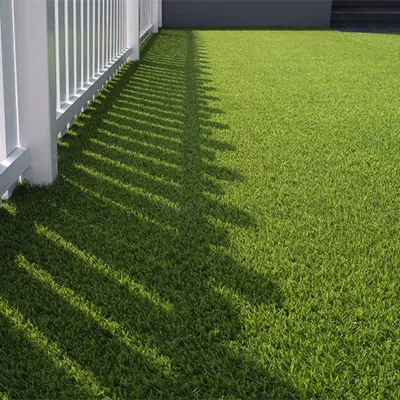
Sporting surfaces have been a determinant in the manner in which a game is played and how athletes play. The technology of turf has dramatically changed over the last decades, starting with natural grass and then to artificial turf, and currently to hybrid turf systems on sports fields. The world is rapidly adopting these innovative solutions, and this has become the new gold standard in the technology of elite sports fields' turf. The transformation is so powerful because of the integration of not only modernization of the disciplines but also integration of the tradition, sustainability, and performance into a single system.
The Evolution of Sports Surfaces
The natural grass has been the pride of stadiums over the centuries and is known for its authenticity, playability, and beauty. Nevertheless, keeping grass in high-use sites has been a problem. Matches often occur frequently, weather conditions are often changing, and there is a need to maintain good performance, and the grass is easily overstretched. Artificial turf proved to be a solution, as they were strong and could be used all year round; however, it did not have a natural touch that is so important among the athletes and fans.
It is at this point that artificial grass and natural grass hybrid systems came in. The sports engineers came up with a playing surface that brings the best of both worlds by incorporating the power of the synthetic fibers and the real grass's genuineness. Nowadays, hybrid turf systems on sports fields are the most popular option in the leading stadiums, training fields, and arenas.
Why Hybrid Turf is the Preferred Choice for Elite Sports
The difference in the technology of the elite sports field turfs is that it allows balancing durability and authenticity. Athletes require a surface on which they can feel natural to play, which lessens the chances of injury and gives them their best. Venue owners, however, need fields that can sustain the heavy traffic and diminish the cost of maintenance. Hybrid turf bridges this gap.
The longevity of the hybrid turf in professional sporting activities is that the fields maintain their structure despite high use. The combination of synthetic fibers strengthens the pitch, unlike pure grass that wears out easily, hence bald spots and rough surfaces are avoided. Meanwhile, the natural grass element offers cushion, flexibility, and breathability that is very similar to playing on a perfect natural field.
Benefits of Hybrid Grass for Sports Venues
The advantages of the hybrid grass in the sporting facilities are more than one-dimensional, as it impacts the lives of the athletes, spectators, and the managers of the stadiums. Athletes also like the uniformity of the playing ground, which is a reduction in injuries as a result of an uneven surface. The owners of the stadiums have the advantage of minimized downtimes since hybrid systems can be more rapidly restored and withstand a greater amount of play without the need for complete replacement. The fields present to the fans are beautiful in a manner that appears natural and at the same time does not fade after a certain time.
Also, running turf on sports fields to improve the performance of the athletes is becoming an important need. It has been found that athletes can perform more effectively with the ability to have predictable traction, predictable ball roll, and predictable footing. Hybrid turf offers all these, which makes it not only a performance enhancer but also a long-term investment in the safety of the players and the quality of games.
Sustainability and Hybrid Turf Systems
There is an increasing pressure on the sports facilities that are presently able to implement environmentally friendly practices. Pure artificial turf has been criticized as being a heat trap, a recycling problem, and ecologically unfriendly. Natural grass is environmentally friendly, but it consumes a lot of water, fertilizer, and pesticides. Here, the hybrid turf solution of sustainable sports field surfaces appears as a game changer.
Hybrid systems use less water and fewer chemicals than traditional grass, while remaining natural. They also lower the number of complete turf replacements, which in turn reduces wastage and use of resources. This renders them an eco-friendly option to venues that are aiming to match the global requirements on sustainability in terms of eco-friendliness and yet deliver high-level playability.
Market Insights: The Rise of Hybrid Turf
The world market of hybrid turf systems in sports fields is on a growing trend. As per the market analysis, investment in the hybrid turf has increased over the last 10 years, with the increase in the number of multi-sport and year-round events occurring in more stadiums.
| Market Segment | Growth Factor | Outlook |
| Elite Stadiums | Durability and global broadcast appeal | Strong |
| Training Grounds | Athlete safety and high-frequency usage | Very Strong |
| Community & Semi-Pro Fields | Cost savings and reduced maintenance | Growing |
| Sustainability-driven Venues | Lower water, chemical, and waste footprints | Strong |
This expanding market is an indication of how the elite sports field turf technology is seen not only as an upgrade but also a requirement of the current venue that wants to stay afloat in the international scene.
Hybrid Turf Maintenance for Sports Complexes
The issue of continued maintenance is one of the biggest worries of the operators of stadiums. Luckily, the maintenance of hybrid turf in sports complexes is easier than that of natural grass fields, but it needs professional attention. The same regime of regular mowing, aeration, and irrigation is still involved, although due to the increased resilience of hybrid systems, the intensity of these activities is less.
Maintenance teams are no longer required to patch or reseed regularly. Rather, they can work on making the natural grass ingredient flourish with the longevity of synthetic fibers. This balance lowers the cost of labor and also the downtime to enable the stadiums to use the field to its maximum capacity without losing its quality.
Durability of Hybrid Turf for Professional Sports
The most interesting argument on the support of hybrid systems is perhaps the longevity of professional sports with hybrid turf. After a tournament or a series of high-intensity games, a pure grass pitch can take weeks to recuperate. However, hybrid turf can endure back-to-back events with minor degradation.
This strength is especially essential in the current sporting landscape, whereby multi-purpose stadiums are usually used to host soccer games one day, rugby the next, and concerts in between. The structural strength of the hybrid systems ensures that it is not ruined by heavy foot traffic, equipment, and the weather conditions, and thus the field is well maintained all year round.
Hybrid Turf and Enhanced Athlete Performance
The contemporary player has higher demands for a playing surface. Careers in other cases are only ten or two years; each match weighs a ton. A major measure that has been employed to assess sports facilities is sports field turf, which can improve the performance of the athletes.
Hybrid turf will add to it through the delivery of a uniform grip, reduced slip, and decreasing the chances of joint injuries. The softness-to-strength ratio is akin to natural grass without the usual pain areas such as divots, bald patches, and bumpy bounces. This increases to a more controlled ball control in soccer, safer scrumming in rugby, and a smoother sprint in athletics.
The Future of Elite Sports Field Turf Technology
In the future, the technology of turf in the elite sports fields will continue to advance. As biotechnology progresses, there will be new hybrid models that have grass varieties that are designed to be more drought-resistant or less allergenic. These systems will be further made eco-friendly by innovations of recyclable synthetic fibers, and become even more sustainable as a hybrid surface of sports fields.
Moreover, there will be a bigger role for data-driven turf management. The sensors in hybrid systems can be used to track soil moisture, root health, and usage patterns to enable groundskeepers to considerably customize the maintenance of hybrid turf in sports complexes like never before.
Case Studies: Hybrid Turf Success Stories
There are an impressive number of stadiums in the world that have hybrid systems that have achieved great success. Hybrid sports field turf systems have already demonstrated their value in the eyes of international audiences, in the case of sports clubs that are the leaders in Europe, and the sports centers where athletes are trained. These facilities have recorded a reduction in the number of match cancellations, more feedback on athletes, and a saving of money over time, making hybrid turf a standard of professional surfaces.
Conclusion: Hybrid Turf as the Gold Standard
The alternative of natural grass and artificial turf to artificial grass and natural grass hybrid systems is a step forward in sports infrastructure. The advantages of the hybrid grass to sports venues are undisputable, both in terms of sustainability, performance, and durability.
Having qualities of high usage, minimal costs of maintenance, and offering better playing conditions, hybrid turf is here to stay, not a fad, but the future of sports. The fusion of tradition and technology has resulted in sustainable sports field surfaces with hybrid turf, which reflects the requirements of the present and the future.
The hybrid turf systems of sports fields have established a new standard as more and more people adopt them. Hybrid turf is the new gold standard for athletes who want to perform excellently, venue owners who want to be efficient, and fans who want quality.
 Media Pack Download
 Newsletters
 Industrial Events