
What B2B Buyers Want in Sports Venue Technology - 2025 Trends
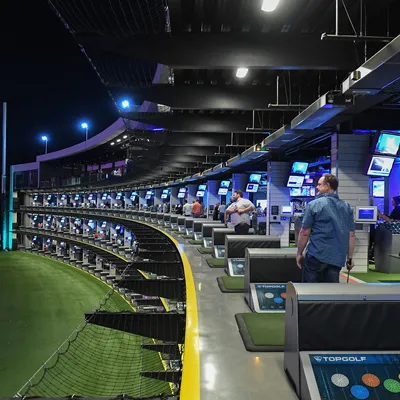
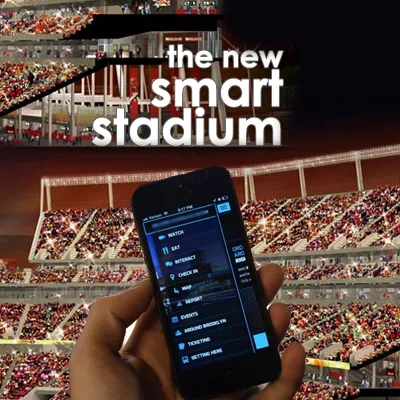
With the rapid development of world sports, sports venues are now featuring the most advanced technology. Stadiums and arenas now focus on more than the game itself, making use of advanced technologies to offer innovative atmospheres for fans. Vendors in the B2B technology space can look forward to many chances in 2025, but should also be ready for precise, scalable, and integrated solutions.
The article analyzes the main considerations of facility managers, operations leaders, procurement teams, and decision-makers in regards to sports venue technology by 2025.
The New Stadium Standard: A Fully Integrated Smart Ecosystem
In the past, buyers wanted piecemeal tech; now, they are looking for systems that bring all the features together. The most demanded products by 2025 will be those that allow all security, HVAC, ticketing, crowd control, and digital signage functions to be handled from one place.
Open architecture platforms that allow communication between different systems using APIs and IoT protocols are of great interest to B2B buyers. It is no longer acceptable for stadiums to use the same solutions for every need. Modular technologies that allow for easy integration and can be updated are what they ask for. Many companies are choosing as partners those vendors who provide flexible software and middleware solutions.
Key Trend 1: Data-Driven Decision Making Through Real-Time Analytics
In 2025, the way people control and manage sports venues will be driven by data. Those responsible for stadium management look for detailed real-time updates about fans and how energy is being used.
As a result, businesses are spending their money on:
- Internet of Things sensors are used to keep track of how busy the store is, if there are many people, the quality of the air, and whether security is at risk.
- AI systems that predict what visitors will do, help place the correct number of staff members, and provide personalized services.
- Centralized dashboards that gather data from different parts of the business so people can make decisions more quickly.
Vendors who offer better ways to see data, can help make predictions about risk, and connect easily with the cloud are getting chosen more often when larger organizations are looking to buy these services. Solutions that show you how they can save money or make more money are especially attractive. For example, using data shows that changing how you use electricity can lower your utility bills, or setting up a better system for selling snacks at your sporting events can bring in more profit.
Key Trend 2: Next-Level Fan Engagement Technology
Sports venues are facing competition from people who watch games at home, because it's often more comfortable and easy for people to stay at home and watch. To draw fans into the stadium and to keep them coming back, venues need to give fans memorable and exciting experiences.
B2B buyers are actively looking for new technology like these:
- Augmented and Virtual Reality (AR/VR): For immersive in-seat replays, player stats pop-ups on the screen, or AR games to help you find good deals on team gear.
- Mobile apps with geolocation features: To make things easier for families, encourage them to get to the right place, or let them know how long the wait is for the bathroom and food stalls.
- In-seat ordering and drone delivery trials: To help cut down on waiting in lines and make things easier for shoppers.
Tech providers that help companies make marketing more personal, let customers earn rewards, and let them connect with people on different platforms are especially important for businesses when choosing technology to buy. Compatibility with wearable devices and smart glasses is turning out to be another thing apps need to think about.
Key Trend 3: Seamless and Secure Access Control Systems
Post-pandemic concerns have changed how stadiums bring people in and get them out, with more steps now taken to keep fans safe. Touchless, secure, and faster ways to get in are pretty much a must. B2B buyers look for systems that help them get their orders quicker while also making sure all health and safety rules are met.
In 2025, the most used technology for access control are items like fingerprint scanners, smart cards, and facial recognition.
- Facial recognition and biometric scanning
- RFID tickets that can help show where they are being used and check for any possible fraud.
- Multi-factor ID for staff and VIP areas to make sure only authorized people can get in.
- Smart turnstiles that use camera technology to help count people as they go in and out.
Buyers want vendors to have systems that follow the rules of the General Data Protection Regulation (GDPR) and the California Consumer Privacy Act (CCPA), and to have protection for data already built in. In addition, working with other ticket platforms such as Ticketmaster or SeatGeek is usually necessary.
Key Trend 4: Enhanced Stadium Security through AI and Surveillance Tech
Security is still really important for sports venues, and companies that buy equipment for them are starting to spend more money on smart monitoring systems that use AI. These include:
- Computer vision-powered CCTV cameras that spot things that look out of the ordinary
- Real-time systems that can quickly spot signs of trouble, like big crowds or weapons, to help keep people safe.
- Using drones to monitor the outer boundaries of properties.
- Integrated incident management software
Applications or demonstrations of smart cities or airports built with smart transportation solutions are highly sought after by vendors. Since buyers expect training and help after a deployment, after-sales service is an important factor in deciding on a vendor.
Key Trend 5: Sustainable and Smart Energy Systems
Due to strict new regulations around the world and fans preferring eco-friendly choices, B2B buyers in 2025 feel enormous stress to align with eco-friendly targets. Putting an emphasis on LEED certifications, lowering emissions, and improving the use of resources is important.
Preferred technologies include:
- LED lighting designed to switch off when the room is empty or during the day
- Software that helps with HVAC management based on how many occupants are in a room
- Integration with renewable energy platforms that let us monitor usage as it happens
- Proper management of water for both restrooms and for taking care of turf
Tools that help calculate the environmental impact of activities - like Promising to reduce CO2 emissions by 40% each year makes your arguments more attractive in the procurement process.
Key Trend 6: Robust Connectivity and Network Infrastructure
Today, organizations in the entertainment business must have proper connectivity, as fans, media teams, and venue staff all depend on it.
Buyers are investing in:
- 5G-enabled infrastructure for low latency
- Wi-Fi 6/6E systems that provide comprehensive coverage and powerful handling of connections
- Edge computing enables processing data live at the event
- LTE used for talking solely within a business organization
Carriers choosing vendors who can design stable, safe, and reliable networks are preferred. During large live events, fast speeds and guaranteeing access are very important to buyers.
Key Trend 7: End-to-End Integration with Third-Party Ecosystems
Any point-of-sale, food delivery, broadcasting, or ride-services options offered in a stadium today need to connect with the rest of the digital world.
B2B buyers are specifically asking for:
- Plug-and-play APIs
- SDKs for mobile app integration
- Being able to connect to other systems such as ERP and CRM
People are increasingly choosing vendors that connect well with other parts of their IT environment.
Users require software that can help out in areas like operations, marketing, and finance.
What B2B Buyers Prioritize in a Vendor (Beyond the Tech)
While the product is important, B2B buyers also judge vendors on other factors.
- Scalability: Is it possible for your solution to deal with large groups and expand in various locations?
- Compliance: Do you know the latest rules and regulations for data and safety worldwide?
- Service and Support: Are training, 24/7 support, and SLA for issue resolution available?
- Customization: Can the solution meet the special needs of our venue?
- Proven Case Studies: Has this been put into practice in a different venue with high traffic?
Buyers are attracted to tech companies that aim to create partnerships rather than just pitching features.
Final Thoughts: The B2B Opportunity in the Sports Venue Space
Because digitalization is advancing in sports, stadiums are experiencing an increase in smart city gadgets, innovative energy use, AI for security, and exciting entertainment. As a result of this connection, B2B vendors can explore new business models and sources of income. On the other hand, it means customers expect more from companies.
Buyers this year are focusing on services and not just on products alone. They are after linking their systems to increase profit, please fans with better experiences, and ensure safety and future suitability of the structures. Any vendor that knows how to handle these challenges with flexible and amalgamated products will gain a strong advantage in this industry.
 Media Pack Download
 Newsletters
 Industrial Events