

Sports and Social Media: How Digital Platforms are changing the Game
Introduction: The Digital Revolution in Sports
The intersection of sports with social media networks caused an essential shift in sports patterns through which we interact with athletic content. Spectators no longer depend exclusively on television broadcasts together with print media for event updates. Sports-related connections to athletes and teams along with stadium experiences permanently shifted because of digital systems including Twitter and Instagram and YouTube and TikTok. The digital transformation brings new meaning to sports and continuous modification occurs to the vital structure of athletic entertainment.
Changing Fan Engagement: A More Intimate Connection
Now-a-days social media creates unprecedented access to sports for viewers better than ever. Watching glory of your preferred athlete or team required viewing scheduled broadcasts and reading daily news articles during previous times. Users today can follow real-time sporting news simply through smartphones paired with internet access which also provides exclusive athlete content along with immediate athlete comments.
The contemporary intimacy shared between sports fans and their athletes presents an unthinkable degree of closeness that never existed before. Sports icons exist now as accessible figures through social media platforms because they continuously post about their personal stories and show how they exercise as well as their game predictions. Athletes now interact with their most enthusiastic fanbase through this emerging relationship resulting in widespread dedication to follow the professional development of their preferred sports personalities.
Social Media as a Platform for Fan Interaction
Social media platforms enable sports fans to experience sports content to an extent that surpasses all previous standards. Through Twitter people have gained the opportunity to communicate with their preferred athletes while sharing instantaneous personal conversations and insights. Athletes successfully construct personal branding on social media platforms where they obtain followers and start partnerships with brands and launch independent business ventures.
Athletes now function as independent media platforms which allow them to determine their public image through self-administered content creation. Sports fans encounter different ways of experiencing athletic events because of modern shifts in the sportswatching dynamics.
The Democratization of Sports Media
Sports media control used to exist solely with television networks together with sports journalists and press outlets. They exerted complete power over both what sports stories merited attention and the approach to their public dissemination. Social media enabled the spread of power distribution among users to become more democratic. The ease of accessing the internet lets people distribute sports content through the web regardless of design format from sports highlight compilations to sports-related memes targeting game moments.
Through social media platforms fans now possess the ability to communicate their thoughts about sporting events including their analysis while they also can directly oppose mainstream sports media stories. Various interactive dynamics in modern sports have emerged because of this development. Sports fans now actively participate in the sports content by influencing the approach people use to talk about and participate in the world of sports.
The Dark Side: Misinformation and Instant Reactions
The transformation of power dynamics brings forward new obstacles for users. The growing phenomenon of social media has enabled damaging quantities of suspicious and unverified information to spread to the public. The mass sharing of personal views during social media interaction creates confusion about determining actual facts from mere speculations and rumors.
Major events serve as a perfect example of how rumor mill spins out of control since speculations about trades and injuries spread rapidly during critical moments. People now expect rapid social media updates as an instant dosage resulting in undeveloped analytical processes. The need for content maintains an interesting relationship with responsible reporting because excessive focus on content can lead to imprecision in reporting.
The Impact of Social Media on Sports Organizations
Nevertheless social media has developed into a beneficial connection with sports for both entities.
The worth of digital platforms to develop brand acknowledgment and fan connections and improve visibility has received wide acceptance from sports leagues and teams. The National Basketball Association (NBA) stands as an Olympic example of sports organizations because it gives its athletes complete freedom to build their social media profiles and engage with fans.
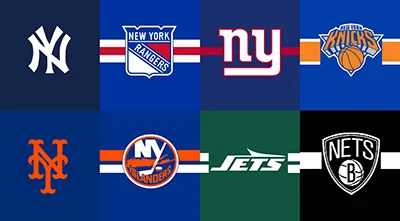
The NBA grew its worldwide brand by allowing players such as LeBron James and Stephen Curry to use their social media fame as tools for extending basketball fanbase beyond U.S. borders. The National Basketball Association stands as an example of sport organizations that succeed through digital platform use for engagement with their fan base regarding sports industry adaptation to digital market changes.
Live Sports and Social Media: Enhancing the Viewing Experience
Social media produces one of its most substantial transformations by modifying the way people watch live sports broadcasts. Sports broadcasts receive continuous integration from platforms that include Twitter and Facebook alongside YouTube. Fans access live event updates simultaneously with sharing game reactions through participation in interactive discussions that display during the broadcast.
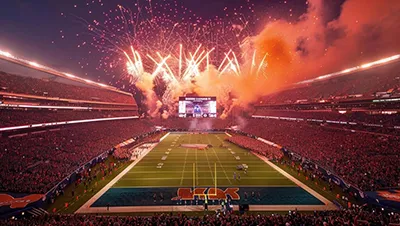
This interactive functionality composed of polls and live streaming as well as comment sections has improved user engagement. Social media allows sports watching to become more social by permitting worldwide real-time interactions among fans who share similar reactions during both celebrations and disappointments of sporting events.
The Rise of Live Streaming: A New Era for Niche Sports
Live streaming represents one of the major sports transformational aspects brought by social media. Through YouTube and Facebook sports organizations together with independent content creators now broadcast events, play highlights and live games to viewers around the world with no need for the conventional broadcast setup. The widespread availability of content creation tools has enabled uncommon sports and regional athletic teams together with developing athletes to expand their reach beyond local boundaries.
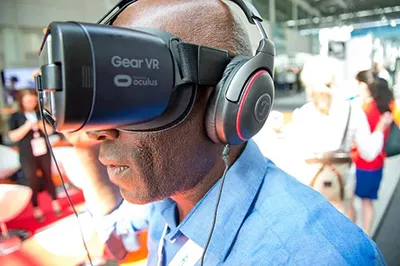
Social media provides enthusiasts of unpopular yet beloved sports along with minor league athletes the only chance to watch their sports heroes and receive cultural visibility.
The Pressure on Athletes: Navigating Public Scrutiny
Through its accessibility, sports fans have never had it easier yet athletes now face enhanced pressure because of social media. Every day social media audiences maintain strict surveillance over athletes while demanding complete visibility from them. Since social media made professional athletes more available to their fans it simultaneously exposed them to aggressive online attention and massive public feedback.
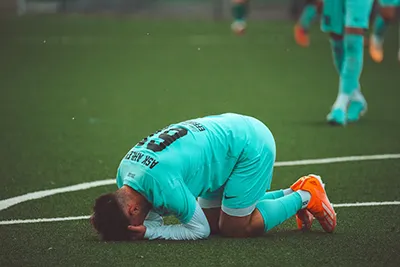
One-way social media damages an athlete's reputation is through their unintentional misstep or questionable post that results in viral media storms within a few hours. Athletes face mental and emotional stress because they need to handle demanding sports duties together with handling worldwide public scrutiny.
Fan Movements and Social Media Communities
The popularity of social media features fandom activities through which fan communities form to back their preferred athletes and teams. Such communities use their shared platforms for content distribution alongside team strategy debates as well as official fan creative artwork and meme production.
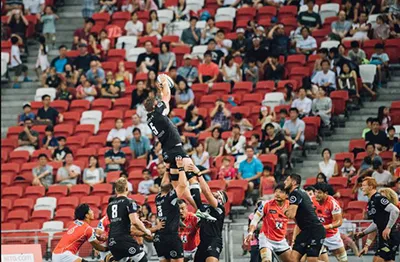
Social media has enabled supporters to create new fan movements which help them execute events and charity programs and launch fundraising activities and programs. Through social media platforms fans have obtained a heightened sense of control because they can steer sports-related communication and start beneficial transformations within professional sports.
Conclusion: A New Era for Sports
The correlation between sports and social media continues to advance through constant changes and intricate development. Through digital platforms athletes and fans are able to create new ways of connecting that enable game-related engagement as well as content sharing. Social media has delivered substantial life-enhancing influences toward sports despite facing a few obstacles in misinformation and athlete distress.
Sports evolve from spectatorship to interactive participation because of social media since enthusiastic fans now determine the direction of sports for the future. Traditions within sports will inevitably change because of social media development even beyond what we currently witness today.
 Media Pack Download
 Newsletters
 Industrial Events