
Smart Lighting and Energy Management: Reducing the Carbon Footprint of Sports Venues
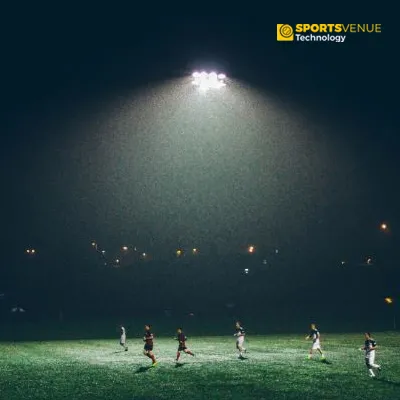
Sports venue are large areas and areas with high human traffic so they use a lot of energy. Whether lighting up the fields or arenas or regulating the climate, such facilities are a major consumer of energy. However, as their growth expands the public’s consciousness of the preservation of the environment, the importance of the latter’s transformation into ecologically friendly locations increases too. More efficient light control and efficient energy utilization are two places where sports facilities can cut back their emissions and create a much brighter future for our planet, as well as saving for the long term. This article aims at discussing the functions of these technologies, their advantages, and effective application in sports facilities.
The Environmental Impact of Sports Venues
A comprehension of environmental issues linked to sports settings is, however, crucial before proceeding with solutions. These building can use huge quantities of energy especially on lighting, heating, ventilation and AC, as well as various electrical equipment. Lighting consumes a significant energy in large stadium because night events or events in winter usually limit natural light.
The other issue of environmental nature is carbon emission. Traditional energy sources applied by sports venues are closely connected with the use of fossil fuel and high emission of greenhouse gases. Therefore, mastering more effective systems, the sports venues can decrease their impact on environment and become an example of effective waste management for others.
What is Smart Lighting?
Smart lighting can therefore be described as sophisticated systems of lighting that can be programmed and set on specific timings to respond to the requirements of the place in question. Compared to conventional lighting systems that are likely to be of a given output, smart lighting systems can adjust output to low or high depending on some pre-set criteria such as time, people presence or actual needs of a particular function. These systems utilize LED technology, which is much more energy efficient than utilizing a halogen or fluorescent lamp.
Other additional systems of smart lighting include motion detection and daylight sensing.
Motion detectors assist in the lighting control of spaces that are in use; lights are switched on as people move towards the space and not when the spaces are unoccupied. Whereas here, the daylight harvesting systems regulate indoor lighting dependent on the external light and therefore allow minimal artificial lighting during daytime activity.
Benefits of Smart Lighting in Sports Venues
Implementing smart lighting in sports venues offers several benefits that contribute to environmental sustainability, energy savings, and cost reductions:
1. Energy Efficiency: These smart lighting systems cut the usage of lights by half since the LEDs used are considered to use 80% less power than the conventional bulbs. This efficiency is further realized in integration with automated controls that turn lights on or off depending on presence or sunlight.
2. Lower Carbon Emissions: Less energy use results in lesser carbon emission. Due to the fact that a large portion of the total energy that is consumed in a venue is used for lighting, changing to smart lighting reduces the energy impact significantly.
3. Cost Savings: However, smart lighting requires a huge capital investment to install, but the returns on investment in terms of electricity bills are great. LEDs have a longer life span than other lighting systems hence the costs that are incurred in the maintenance of the lighting system is also low.
4. Enhanced Fan Experience: A smart lighting can augment the fan experiential by adjusting the light for events or turning the lights off during intermissions. This can lead to enhancing the moment and possibilities for their implementation and reception while making a maximal use of energy resources.
Understanding Energy Management Systems (EMS)
Energy management system (EMS) are software applications that enable the management of sport facilities to continuously measure, oversee and direct energy consumers. They used these systems to provide a live view of energy use and decision making regarding efficiency for the facility managers. With an EMS it is possible to monitor energy in lighting, HVAC and all important systems for purposes of an energy management plan.
For instance, an EMS can show high energy use and direct the attention of the managers toward the underlying cause of high energy use. When connected to an EMS, smart lighting can guarantee efficient use of energy throughout the facility by its operators.
How Energy Management Reduces Carbon Footprint
Energy management is not limited to regulation, tracking and controlling energy usage. It is a systematic approach to the minimization of wastes and the maximization of the performance of daily tasks. Here are some ways energy management reduces the carbon footprint of sports venues:
1. Reducing Peak Demand: Energy management systems assist to control the peak demand which is a period when energy consumption is greater. Through load leveling and integrating, sports facilities may avoid dependence on the use of high emissions energy during peak periods.
2. Minimizing Wasted Energy: When it comes to energy usage, an EMS can tell where in the building energy is being wasted for instance lighting or heating and air conditioning. This waste can be reduced to some extent, therefore, reducing the total energy consumed, and emissions to the atmosphere by sports venues.
3. Optimizing Renewable Energy Use: Most of the contemporary EMS systems provide possibilities of connection of various forms of renewable energy – solar or wind, for instance. Organizations hosting such events can use the energy produced by such sources during off take periods thus minimizing their effects on the environment.
4. Data-Driven Decisions: By having energy usage data, venue operators and managers will not only be able to make informed decisions on issues such as performing maintenance at certain periods of the day when the energy rates are likely to be high or to adjust the temperature when there are few people in the facility. All these changes when done to other appliances can go a long way in conserving energy.
Real-Life Examples of Smart Lighting and Energy Management in Sports Venues
Most landmark stadiums have adopted smart lighting and energy solutions, and the usage of smarter and sustainable lighting is rapidly growing in the sports facilities matrix.
• Levi's Stadium (San Francisco, USA): The home of the NFL team San Francisco 49ers, Levi’s Stadium, uses sustainable technology for energy control and LED based lighting. Lighting control system in the stadium is intelligent; it adapts with the natural light and occupancy of the area. There is also the incorporation of the solar panels for use in the production of the energy thus making this area of the stadium less a carbon culprits.
• Mercedes-Benz Stadium (Atlanta, USA): Last year, the new stadium was constructed in the United States with one of the highest sustainability rankings, LEED Platinum. They have an energy management system which entails monitoring of power usage all-round the facility. The stadium also has a rain water harvesting facility for reuse besides having the courtesy of using LED lights to cut down the use of electricity.
• Allianz Arena (Munich, Germany): Allianz Arena has adopted the LED light technology where it is ability to produce incredible light shows and at the same time consume a little power. Allianz controls energy application in their stadium and has put in place an efficient tool to conserve energy thus ranking the stadium among the best energy conserving sports stadiums in Europe.

Future Trends in Smart Lighting and Energy Management for Sports Venues
Modernization of energy management in sports venues has a favorable outlook as enhanced technologies and approaches are received. Here are a few trends that are likely to shape the industry in the coming years:
1. Integration with Renewable Energy Sources: Consequently, having renewable energy one can suppose that the sports facilities will use the solar panels, wind generators or the geothermal facilities together with the energy management systems. This will let the venues to produce and consume clean energy thereby cutting down their impact of carbon.
2. AI and Machine Learning: The analysis showed that AI and machine learning are increasingly becoming critical for employing energy management. AI can learn energy patterns and reveal the possible energy demand that a venue can have; thus, venues can regulate the energy use as it happens. Machine learning can also assist in predicting when a certain piece of equipment may need repairing, which will help to save energy.
3. Battery Storage Systems: Energy storage systems allow hosts of buildings including sports facilities to store energy during the daytime for use at other times. Through battery systems, conference centers and other buildings with large spaces can store power arising from renewable sources and hence keep off the electricity grid especially during such important events.
4. Enhanced Fan Awareness: The audience is knowledgeable, and there is a likelihood that they will support measures towards sustainability. Organization responsible for the facility can incorporate the energy management strategies as part of its identity and demonstrate to its fans its commitment to conservation of energy. It also means that more support may come from the environmentally friendly fans of the brands.
Conclusion
Lighting and energy management are among the two of the most expanding sectors and in sports venues due to cost cutting measures and embracing environmental conservation measures. These systems enable venues to decrease their energy usage, minimize carbon output and also improve the supporter experience. Sports facilities provide the latest that a sports venue can offer; smart lighting systems, advanced energy management systems, and renewable energy resources all of which highlight that sports venues are taking steps towards a greener future for the sports industry and the planet. The focus on environmental responsibility in sports facility is a large step in sustainability and is a lead for fans as well as other industries and businesses to take charge in energy consciousness.
Consequently, transition to a green environment in the central sports locations is an ideal solution. The savings of energy furnished by efficiency, besides the environmental benefit, justify the investment.
 Media Pack Download
 Newsletters
 Industrial Events