

Game On: Innovations in Sports Flooring Technology
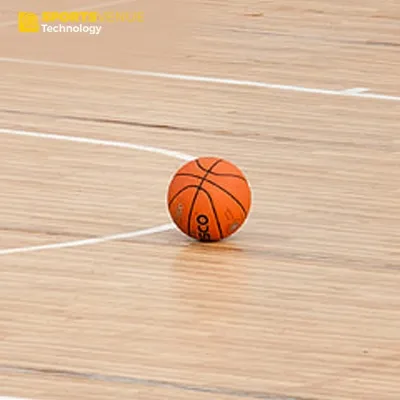
Sports flooring technology has come a long way from the simple wooden courts and grassy fields of the past. Today, advancements in materials science, engineering, and design have revolutionized sports flooring, enhancing performance, safety, and sustainability. This comprehensive guide delves into the latest innovations in sports flooring technology, examining how these developments are reshaping various sports and the overall athletic experience.
A. The Evolution of Sports Flooring:
Historical Perspective
Historically, sports flooring was dictated by natural materials: wooden floors for indoor sports like basketball and volleyball, and natural grass for outdoor sports such as soccer and football. These surfaces, while effective, had limitations in durability, maintenance, and player safety. The evolution of synthetic materials and advanced engineering techniques has transformed sports flooring into a specialized field with a focus on performance optimization and injury prevention.
Early Innovations
The introduction of synthetic surfaces, such as polyurethane and PVC, marked the first significant leap in sports flooring. These materials offered greater durability and easier maintenance compared to traditional wood and grass. Additionally, the advent of artificial turf revolutionized outdoor sports by providing a consistent playing surface that was less affected by weather conditions.
B. Modern Innovations in Sports Flooring:
Advanced Materials
Shock-Absorbing Systems
Modern sports flooring incorporates advanced shock-absorbing systems designed to reduce the impact on athletes' joints and muscles. Materials like rubberized underlays and foam padding are now integral components of many sports floors, providing a cushioned surface that minimizes the risk of injuries.
High-Performance Polymers
High-performance polymers, such as EPDM (ethylene propylene diene monomer) and TPE (thermoplastic elastomers), are used extensively in sports flooring. These materials offer excellent durability, weather resistance, and flexibility, making them ideal for both indoor and outdoor applications.
Surface Customization
Modular Flooring Systems
Modular flooring systems are gaining popularity due to their versatility and ease of installation. These systems consist of interlocking tiles that can be customized to fit various sports requirements. They are particularly useful for multi-purpose facilities that host different sports events, allowing for quick and easy surface changes.
Customized Traction and Grip
Sports like basketball, tennis, and indoor soccer require specific levels of traction and grip to optimize performance. Modern sports floors are designed with surface textures and coatings that enhance grip, providing athletes with the stability they need for quick movements and changes in direction.
Environmental Sustainability
Recycled and Sustainable Materials
The push towards sustainability has led to the development of sports flooring made from recycled and eco-friendly materials. For instance, recycled rubber from old tires is used in many athletic tracks and playground surfaces. Additionally, innovations in bio-based polymers are paving the way for more sustainable sports flooring options.
Energy Efficiency
Some modern sports floors are designed to be energy-efficient, incorporating features such as underfloor heating and cooling systems. These systems not only provide a comfortable playing environment but also contribute to overall energy savings for sports facilities.
C. Technological Integration
Smart Flooring
Embedded Sensors
Smart flooring technology integrates sensors within the surface to monitor various parameters such as player movements, impact forces, and wear and tear. This data can be used to optimize training, prevent injuries, and extend the lifespan of the flooring.
Interactive Training Systems
Interactive sports flooring systems provide real-time feedback to athletes through integrated LEDs and digital displays. These systems are particularly useful for training purposes, allowing coaches and players to analyze performance metrics and make adjustments on the fly.
Augmented Reality (AR) Integration
Augmented reality is being incorporated into sports flooring to create immersive training environments. AR-enabled floors can project interactive visuals that guide athletes through drills and exercises, enhancing both training efficiency and engagement.
D. Case Studies of Innovative Sports Flooring
Basketball Courts
NBA's High-Tech Hardwood
The NBA has been at the forefront of adopting innovative sports flooring. Modern NBA courts feature high-performance hardwood surfaces with advanced shock absorption and grip. Additionally, some arenas are experimenting with smart floors that provide real-time data on player movements and performance.
Athletic Tracks
Olympic-Grade Surfaces
Olympic athletic tracks are designed with the latest in synthetic materials and shock-absorbing technologies. These tracks provide a fast, consistent surface that helps athletes achieve peak performance while minimizing the risk of injury.
Tennis Courts
All-Weather Surfaces
Modern tennis courts utilize advanced materials that provide optimal bounce and grip, regardless of weather conditions. These all-weather surfaces are designed to withstand extreme temperatures and heavy use, ensuring consistent play year-round.
E. The Future of Sports Flooring
Emerging Materials
Research into nanotechnology and advanced composites holds the promise of even more innovative sports flooring solutions. These materials could offer unprecedented levels of durability, performance, and customization.
Enhanced Player Experience
Future sports floors will likely focus on enhancing the overall player experience, incorporating features such as customizable surface hardness and integrated multimedia systems. These innovations will not only improve performance but also make sports more enjoyable for athletes and spectators alike.
Conclusion:
The innovations in sports flooring technology are transforming the way we play and experience sports. From advanced materials and smart systems to sustainable solutions and interactive training tools, these developments are enhancing performance, safety, and engagement. As technology continues to evolve, the future of sports flooring promises to bring even more exciting advancements, paving the way for a new era of athletic excellence.
 Media Pack Download
 Newsletters
 Industrial Events