
Building Skilled Workforces for Modern Sports Infrastructure Projects
Sports infrastructure is booming. Cities are racing to build stadiums, training academies, multi-sport complexes, and Olympic-grade venues to host global events, attract tourism, and nurture local talent. But there's a quiet problem behind the concrete and steel: most of these projects are struggling to find enough skilled people to build them well.
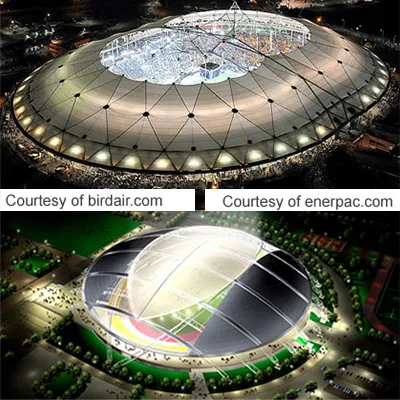
A stadium isn't a shopping mall with better seating. It needs cantilevered roof structures, precision-engineered playing surfaces, specialized acoustics, and systems that can handle 60,000 people entering and exiting safely within minutes. Building that requires a sports infrastructure workforce that understands the unique demands of sports construction - not just general contractors borrowed from residential or commercial projects.
This article breaks down why skilled workforce development has become the single biggest bottleneck in sports construction today, and what stakeholders - governments, contractors, academies, and investors - need to do about it.
Why Sports Infrastructure Projects Need a Different Kind of Workforce
Sports construction differs from general construction because it combines structural engineering, specialized materials science, and event-safety design into a single build.
A commercial building contractor knows how to pour foundations and erect steel frames. But a skilled sports construction workforce also needs to understand things like:
- Long-span roof engineering for column-free stadium bowls
- Natural and hybrid turf systems with drainage and irrigation integration
- Crowd-flow architecture for entry, exit, and emergency evacuation
- Broadcast and lighting infrastructure built into the structure itself
- Sustainability standards increasingly demanded by international sports federations
This is why sports venue construction skills are treated as a distinct specialization in mature construction markets, and why countries hosting major tournaments - from World Cups to the Olympics - invest years in advance training their labor force, not just their athletes.
The Widening Skills Gap in Sports Construction
Here's the uncomfortable truth: demand for sports facilities is growing faster than the workforce that can build them.
Governments announce ambitious sports infrastructure projects - smart stadiums, Olympic villages, grassroots training centers - but the labor market hasn't caught up. Vocational institutes rarely offer sports-specific construction tracks. Engineering colleges teach general civil engineering, not the nuances of tensile roof structures or synthetic pitch installation. The result is a sports workforce stretched thin, often importing specialized labor from abroad at high cost, which delays timelines and inflates budgets.
A shortage of skilled labor is now one of the top three reasons sports infrastructure projects run over budget and past deadline, according to multiple industry assessments of stadium construction delays worldwide.
This gap shows up at every level:
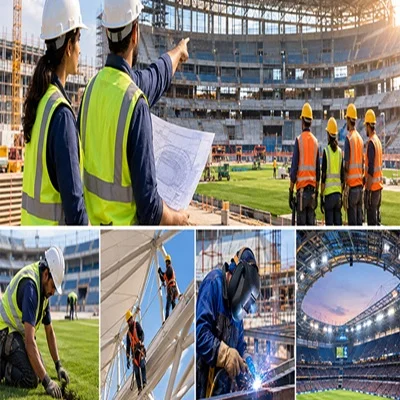
1. On-site trades — welders, riggers, and turf technicians trained specifically for sports environments
2. Mid-level supervisors — project managers who understand sports-specific compliance (FIFA, IOC, ICC standards)
3. Specialized engineers — experts in acoustics, structural dynamics, and sustainable materials for large-span venues
What Sports Workforce Development Actually Looks Like
Workforce development isn't just "more training programs." Done right, it's a pipeline - one that starts before a shovel hits the ground and continues through the life of the facility.
1. Pre-Project Skills Mapping
Before a sports infrastructure project even breaks ground, planners should map exactly which skills the build will require - turf specialists, tensile structure riggers, precision surveyors -and identify local gaps early. This lets training programs start in parallel with design and permitting, not after construction begins.
2. Partnerships Between Contractors and Vocational Institutes
Some of the most successful workforce development for sports facility construction programs pair construction firms directly with technical colleges. Students train on live mock-ups of stadium components - seating bowl sections, roof trusses, field drainage systems - so they arrive on-site already competent, not learning on the job at the client's expense.
3. Certification Pathways Specific to Sports Venues
General construction certifications don't cover sports-specific compliance. Building out certification tracks for turf management, sports lighting systems, or accessibility standards in stadiums gives workers a credential that's portable across future projects — which also makes the profession more attractive to enter.
4. On-the-Job Mentorship During Active Builds
Classroom training only goes so far. Pairing junior workers with experienced sports facility workforce veterans during active builds transfers tacit knowledge - the kind that doesn't show up in a textbook, like reading how a turf base is settling or spotting a stress point in a temporary roof support.
5. Post-Project Retention Strategies
A recurring failure in this industry: firms train workers brilliantly for one stadium, then lose them entirely once the project wraps, because there's no next project lined up. Regional workforce planning - coordinating multiple sports infrastructure projects so skilled crews can move from one build to the next - keeps expertise in the system instead of losing it to attrition.
The Business Case: Why Investing in Workforce Pays Off
Skipping workforce development doesn't save money - it just moves the cost downstream.
Projects that rely on undertrained labor see it in the numbers: higher rework rates, more safety incidents, longer punch-lists before handover, and slower ramp-up to full operational readiness. A skilled workforce for sports infrastructure projects isn't a "nice to have" line item - it directly affects three things’ owners and investors care about most:
- Timeline reliability — fewer errors mean fewer costly delays
- Long-term facility performance — a well-built turf or roof system needs less maintenance for decades
- Safety compliance — sports venues host tens of thousands of people at once, and cutting corners here carries reputational and legal risk that dwarfs training costs
Put simply: the cheapest time to invest in a skilled sports construction workforce is before the project starts, not after something goes wrong.
Who Should Be Driving This - And How
No single player can fix this alone. It takes coordination across:
- Governments and sports federations, who can mandate workforce development clauses in infrastructure contracts and fund vocational training tied to upcoming projects
- Construction firms and EPC contractors, who should build training pipelines into their bids rather than treating labor as a spot-market purchase
- Educational institutions, which need updated curricula reflecting what modern sports venues actually require
- Sports bodies and event organizers, who can set skills and safety standards early enough for the supply chain to respond
Countries preparing to host major tournaments have the clearest incentive here — and the clearest deadline. A sports infrastructure workforce built for one Olympic Games or World Cup can become a lasting national asset if the training infrastructure survives the event itself, instead of dissolving once the last match is played.
Frequently Asked Questions
What is a sports infrastructure workforce?
A sports infrastructure workforce refers to the specialized group of construction professionals - engineers, tradespeople, and project managers - trained specifically to design, build, and maintain sports venues such as stadiums, arenas, and training facilities, as opposed to general commercial or residential construction workers.
Why is there a shortage of skilled sports construction workers?
The shortage exists because most vocational and engineering programs don't offer sports-specific construction training. Skills like turf system installation, tensile roof engineering, and stadium crowd-flow design are learned mostly on the job, which limits how quickly the workforce can scale to meet growing demand.
How can workforce development improve sports facility construction?
Workforce development improves sports facility construction by closing skills gaps before projects start, reducing costly on-site errors, improving safety compliance, and creating a pipeline of trained workers who can move between projects instead of being retrained from scratch each time.
Who is responsible for building a skilled sports construction workforce?
Responsibility is shared between governments, construction firms, vocational institutions, and sports federations - each playing a role in funding training, updating curricula, mandating standards, and creating consistent project pipelines that retain skilled workers long-term.
The Bottom Line
Modern sports infrastructure projects are only as good as the hands that build them. Stadiums with world-class ambitions can't be built by workforces trained for ordinary buildings. As more countries compete to host major sporting events and expand grassroots sports facilities, the ones who invest early in sports workforce development will be the ones who deliver venues on time, on budget, and built to last - while everyone else scrambles to find enough skilled hands before the deadline hits.
 Media Pack Download
 Newsletters
 Industrial Events