

From Displays to Dollars: The Power of Dynamic Digital Ads in Stadiums
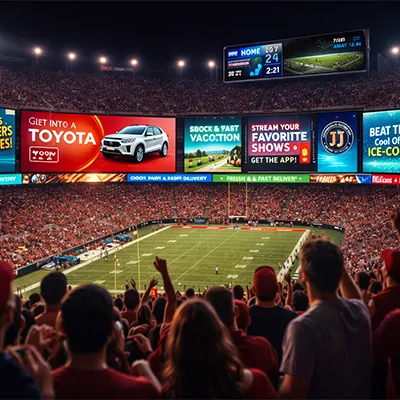
The Commercial Evolution of Stadium Advertising
Sports arenas have ceased to be mere sporting facilities and have evolved into elaborate business platforms. The arenas today are no longer characterized by capacities to seat people in the seats or the size of the architecture but the capability to monetize attention. Having millions of fans coming to watch live events and lots more reaching out to the event through second screens, stadium owners and operators are under the growing pressure to translate visibility into revenue. This move has led to digital advertising in stadiums becoming one of the strongest revenue generators in sports and entertainment sector.
The ancient form of basketball advertising was through the use of traditional media like billboards and printed banners. They were good in terms of brand presence but not flexible, real-time relevant and performance measured. The modern digital advertising of stadiums today depends on functional maximum advertiser value and audience engagement through the use of high-resoluted LED screens and content delivery based on data and the dynamic creation of forms of creative advertising. The outcome is a leaner, quantifiable and lucrative ad system.
Understanding Dynamic Digital Ads in Sports Venues
Dynamic digital advertising inside and outside stadiums means advertising material that can be updated, customized, and scheduled on the fly on digital screens both indoors and outdoors. Such advertisements are placed on LED perimeter boards, jumbotrons, concourse screens, entryway displays and even smart kiosks. Compared to fixed advertisements, dynamic digital stadium advertising platforms enable operators to switch among various advertisers, tailor messages based on audience groups and to match advertisements with real-time game events.
As an illustration, a beverage brand can launch celebratory advertisements as soon as a goal has been scored, whereas a ride-hailing service can offer after-match promotion during the last few minutes of the play. This situational relatability makes a great contribution to recall and conversion, and thus makes stadium screen advertising more valuable to brands.
The Technology Backbone Powering Stadium Screen Advertising
The digital signage hardware, digital signage content management system and data integration platform are brought together with a sophisticated technology stack at the core of digital advertising in stadiums. The bright LED screens are made to work in different lighting conditions and could withstand the outdoors environment. The control of these screens is centrally based on cloud-based software which allows real-time updates of content to various zones.
The integration of data is extremely important to optimize the digital signage advertising of stadiums. Audience analytics, ticketing records, event timetables and even weather can determine the types of ads that are shown and when. Statistical advertising platforms are being more and more incorporated in stadium environments, which enables ad inventory to be sold at the moment of demand, crowds, and importance of events.
How Stadiums Make Money with Digital Advertising
The revenue-generating nature of digital advertising at stadiums is much larger than selling the fixed advertisement spots. Stadiums have multiple digital advertisement models that provide the flexibility to the brands and scalability to venue operators. Premium pricing is charged on sponsored screen takeovers in high visibility moments and rotation ad loops enable several advertisers to share the screen time during an event.
Digital advertising packages will give brands a steady exposure in a season through various games, concerts, and events. Temporary liners with particular matches or tournaments will attract local advertisers who are interested in selective coverage. There is also a possibility of monetizing the screens in stadiums through digital advertisements to allow upsales like interactive advertisements, QR-based activations, and branded fan engagement experiences.
The shift can be depicted by a mere revenue comparison. One advertiser commands fixed exposure with a static billboard, but dozens of advertisers can be present on a single digital screen with time and placement as well as contextual factors being billed. This compounding effect is the reason why digital advertising in stadiums is now one of the main sources of revenue.
Benefits of Digital Signage Advertising in Stadiums for Brands and Operators
There are advantages of digital signage advertisement in stadiums to the value chain. To the stadium operators, the digital screens will optimize the inventory, minimize the long-term expenses of printing and installation, and allow real-time optimization of the campaigns they intend to execute. Wayfinding, safety messages and sponsor content can all be done on screens without extra infrastructure.
To the advertisers, stadium digital advertising provides high impact exposure in emotionally charged settings. During live events, fans are very engaged, attentive and receptive hence brand impressions are retained better. It has the capability of aligning advertisements with gameplay, social feedback, and live commentary to boost the stories of the brand and its recognition.
Sponsors too enjoy the advantage of quantifiable results. Compared to standard signage, digital screens strategies to advertise sports venues enable to monitor the impressions, dwell time and engagement. Such a transparency based on data empowers ROI justification and will motivate repeat investment.
Strategic Approaches to Digital Screen Advertising in Sports Venues
The digital screens advertising in sports venues cannot be effectively implemented with only the big screen displays. The success factors are content strategy, placement logic and timing. Perimeter board advertisements target broadcast viewers and concourse signage affects in stadium buying behavior. Jumbotrons can be used to tell brand stories and have a big impact.
Dynamism scheduling means that advertisements are matched with traffic flow. Pre-game information can be brand awareness, mid-game advertising can be promotional and post-game communication can be action taking. The ad relevance can also be increased by the contextual triggers like goals, timeouts, or halftime breaks.
Stadium operators are growing closer in the creation of content that includes advertisers as partners in delivering fun to the fans. This will assist in preventing ad fatigue and would make the brands an extension of the event and not a diversion.
The importance of Programmatic and Data-Driven Advertising
The programmatic buying is transforming digital advertising of stadiums, introducing automation, flexibility and the real-time optimization. Advertisers have an opportunity to bid on screen time according to the demographics of the audience, popularity of the event, or time of the day. This is a model that replicates trends in digital out-of-home advertising in an urban setting but with the extra intensity of live sports interaction.
Statistics-based decision-making allows stadiums to optimize prices and stocks. Matches with high demand are sold at high prices whereas those with lower attendance can also make some revenue by doing local advertising. The data insights, over time, assist operators in optimizing the content strategy and yielding to the best of the best.
Industry Use Cases Across Sports and Entertainment
Sports leagues are not the only sports venue where they can be used as dynamic digital advertisements. Digital signage advertising to stadiums is suitable in Cricket stadiums, football arenas, basketball courts, motorsport tracks and multi-purpose venues. Besides the traditional sport calendars, there are other ways to monetize concerts, exhibitions, and esports tournaments.
Sponsors of teams and companies consider the advertising of the stadium screens as a way to enforce the brand positioning, and local stations use the geo-targeting feature of advertisements to attract local audiences.
Common Tasks and How the Industry Is Addressing Them
Social as well as operational and strategic challenges of stadium digital advertising exist, even though it has its benefits. The problem of content overload may reduce brand impact unless handled with care. Technical reliability is paramount because the downtimes of screens during live events may hurt the confidence of sponsors.
The issue of privacy and data governance also should be approached with a responsible approach, particularly in case of incorporating the audience analytics.
The main stadiums overcome these problems with the help of strong content governance systems, back-up facilities, and advertisor policies. Venue operators and brands in collaboration with technology providers have both a sustainable and balanced ecosystem of advertisements.
A Practical Q&A for Decision-Makers
The general question raised by the owners of the stadiums is whether the digital advertising will need the complete overhaul of the infrastructure. Most of the time, the screens that are in place can be upgraded with the current content management systems and therefore a gradual transition may be done.
The question that advertisers tend to pose is whether there is a quantifiable ROI on stadium digital advertising. The solution is integrated analytics, which follows impressions, engagement, and conversion proxies with a lot more visibility as compared to fixed signage.
The other issue that is raised regularly is fan experience. Strategically performed dynamic digital advertisements do not interfere with the atmosphere on the event, but they complement it by matching the content with the expectations and thrilling moments of the audience.
Defining Key Terms in Stadium Digital Advertising
Digital advertising in stadiums is the use of electronic screens that are used to provide promotional information in sports and entertainment stadiums. Stadium digital advertising refers to all the screen-based advertisement types that will be implemented throughout the venue.
Dynamic digital ads in sports venues are digital advertisements which change dynamically depending on the surrounding, information or time logic. Stadium screen advertisement is applicable to the visual advertisements in the form of LED and LCD displays that fall in the stadium arena.
To monetize the stadium screens using digital advertisements, the screen visibility is transformed into a revenue using the advertising sales, sponsorships and engagement.
The Future Outlook for Stadium Digital Advertising
With the ever evolving technology, the digital advertisement of the stadiums in the future will be characterized by increased personalization, automation, and integration. The selection of content will be maximized through artificial intelligence, and the boundaries between real and virtual will be erased in augmented reality overlay and mobile synchronization.
Active digital advertising systems on stadiums will connect more and more with applications in fans, loyalty programs, and cashless ticket systems. It is this convergence that will open up new sources of revenue and more understanding of fan behavior.
Turning Attention into Sustainable Revenue
Digital signage advertisement of stadiums is a strategic change of the venue monetization of attention, previously measured in displays, to dollars. Through upgrading technology, data and innovative approach, stadiums can convert screens to commercial powerhouses. In the eyes of advertisers, the stadium digital advertising has unrivalled engagement in a market environment that is full of emotion and loyalty.
With the increasing rivalry in the campaigns of sponsorship budgets, the capacity to produce quantifiable and dynamic and contextually qualified advertising shall distinguish top venues among others. The stadiums that invest in smart digital screen advertising systems nowadays are strategizing themselves in a long term commercial success amidst the changing sports economy.
 Media Pack Download
 Newsletters
 Industrial Events