

Digital Upgrades: How Technology is elevating the Game Day Experience
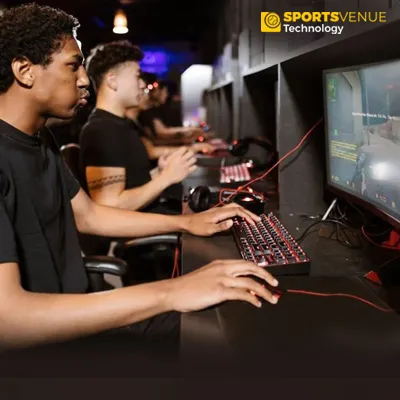
The live sporting event attendance has a new perspective over the years. It is no longer chic for fans to only look forward to the game’s result in order to make their day joyful. Digital technology has extended the enjoyment of the game to a fantastic level of entertainment beyond mere observation of the match through a crucial experience of game day to fans. It is now the time to discuss how technology modifies the experience of live sporting events.
1. Smart Stadiums: The Future of Live Sports
The contemporary structures are aspiring to become smart stadiums, that is, possessing and integrating sophisticated facilities to improve the fan experience. From Internet connectivity that includes Wi-Fi to ticketing systems, as well as cashless payments that is used to pay for goods and services within these stadiums, all are encompassed.
- Wi-Fi Connectivity: Internet availability thus ensures that fans are connected all through the game, they can share on social media forums and can see statistics and replays from their seats.

- Digital Ticketing: Away with the tickets in the printed paper. Mobile ticketing enables a fan to buy, store and use the ticket through their mobile devices. It also contains an added value in that, there is a lower possibility of losing most, if not all the tickets, it should also make it possible to access the stadium without delay.
- Cashless Payments: The smart stadiums are therefore avoiding the use of cash to enable the fan to make purchase of foods, drinks and various merchandise using their mobile phones or credit/debit cards. This diminishes waiting time since you receive your credentials at the earliest opportunity and which improves on the convenience factor.
2. Augmented Reality (AR) and Virtual Reality (VR): Bringing Fans Closer to the Action
AR and VR belong to the discussion when people are considering the ways new technology is affecting fans’ perceptions of sports. These technologies put the fan right in the middle of the event or on the field or walking around in the stadium as it were while watching the event.
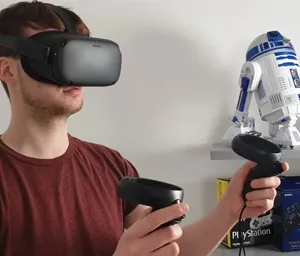
- AR Apps: People can simply download AR apps on their mobile devices to get the live scores, breaking details and other features of the game to be superimposed to the live view of the game. For instance, without moving their phone, they can watch the match and, using AR, track the player’s statistics or the ball’s flight path.
- VR Experiences: For those unable to physically attend the game the VR gives them a feel of what it feels like to be in the stadium. Audiences can use helmets to attend the match at any angle: sitting in the stands or running on the field, which creates an impression of participation.
3. Enhanced Fan Engagement through Apps and Social Media
It is also important that fans are reached out through mobile apps and social media platforms before, during and after the game. These social platforms are being used by the teams and stadium to ensure the fans will be informed and entertained.
- Team Apps: Most sports teams have loyal following through their mobile apps that updates fans and interact through polls and quizzes and also have exclusive content. These apps also provide information regarding location within a stadium so that fans are able to locate their seats, restrooms, as well as concession facilities.
- Social Media Integration: Social media such as the Twitter, the Instagram, TikTok, among others enables the fans of the same teams to engage one another and share their experiences on the particular game on the real time basis. Fans are promoted to contribute to the team’s content through the stadium displays or the official accounts on social media.
4. Interactive Screens and In-Stadium Entertainment
Bulky television screens that show live games, replays and the fans’ dialogues are now there in stadiums. These screens are said to be very paramount tools of in-stadium entertainment.
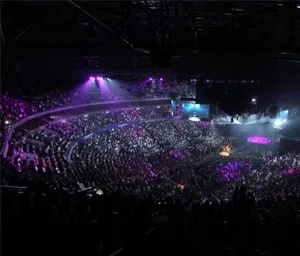
- Instant Replays and Highlights: The follower of a sporting event can no longer afford to lose any detail of the play. For instance, instant replays and highlights, are shown on giant screen all over the stadium so as to enable fans get a view of what is transpiring near them.
- Fan Contests and Games: Those that appear on the stadium screens are certainly popular among fans and often used during pauses in the action to hold competitions, quizzes and other games. These activities include social media use, where fans can through the use of tags, have their posts displayed on the large screen.
5. Personalized Experiences through Data and AI
AI and data analytics are being applied in the provision of tailor-made game-day experience to the fans. Using such information, it’ll be possible to provide uniqueness to such experiences for each of the attendees

- Personalized Content: Social media and other AI driven platforms can target fans with content in the form of player update, team schedule, videos and others. This makes the produced content more closely related to the fan’s interest and the experience overall much more entertaining.
- Targeted Offers: Through purchase history, restaurants and in-stadium consumption habits, the teams can then market through mobile applications and emails new ticket options or exclusive promotional codes. For instance, if, there is merchandising, a person who often purchases team related products may be offered a discount voucher during the game.
6. The Future: 5G and Beyond
As in the future, the usage of 5G technology will be more emphasized same way the game- day experience will be intensive in terms of immersiveness. Since data download speeds will be four times higher and latency will be 30 times lower, there are entirely new ways of fan engagement with the help of 5G.
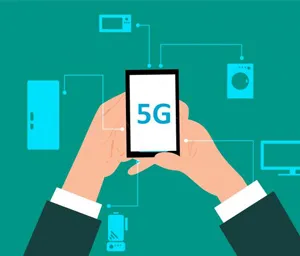
- Real-Time Interaction: It also means that fans will be able to form an actual dialogue with the game through voting, for example, on some in-game actions or respond to live polls. This could make the experience far more engaging and interactive.
- Advanced AR and VR Experiences: The upgradation of capabilities in 5G will cause a significant change in AR and VR services and the environment making them more lifelike and sensitive. Such enthusiasts could gamers for example experience games in 360-degree VR, or in fact feel that they are in the middle of a live stream.
Conclusion:
It can with no doubt be agreed that day-time has been enhanced not only in the way fans watch games but also in how they engage in games with technology. And as advances in digital technologies are being observed, fans anticipate even more coming changes in the near future. From the stadium to your living room, technology is adding flavor to how you consume live sports and the chances you get to; create memorable game day experiences.
 Media Pack Download
 Newsletters
 Industrial Events