
Future Trends in Sports Architecture
Sports architecture is the pinnacle of innovation and combines design, sustainability, technology and cultural identity to fashion iconic buildings that appeal to communities all over the world. As we travel into the future, the future trends in sports architecture will be characterized with unprecedented developments, which will transform the manner in which sporting events are realized. Using different references, such as the importance of architecture as a physical expression of the cultural identity, the appearance of environmentally-friendly and technologically-improved designs, the emphasis on fan experience and the influence on the communities, this article will examine the major trends that will determine the future of sports architecture.
Environmental Responsibility and Sustainable Design.
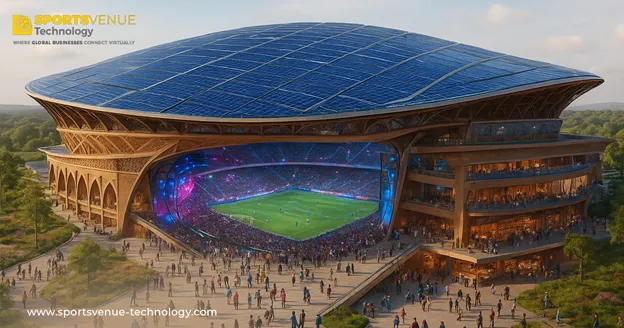
Sustainability is coming to dominate the sports architecture industry with the growing sense of environmental conscience. To develop eco-friendly sports facilities, architects and designers are also adopting the use of environmentally friendly material, renewable sources of power, and new systems of waste management. The future of sports architecture will be directly connected with environmental responsibility; that is, solar panels over the roofs of stadiums, rainwater harvesting systems, which will save the use of water resources.
Immersive Fan Experiences and Technological Integration.
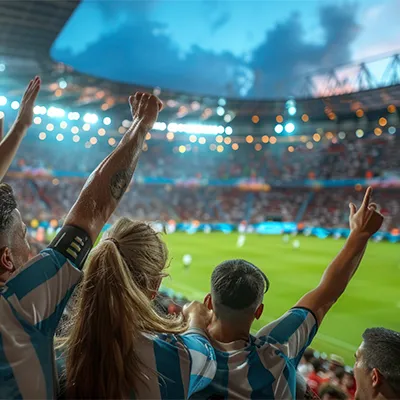
The adoption of the latest technology is turning sports stadiums into dream experiences of the spectator. High-end audio-visual systems, virtual reality (VR) applications, and interactive screens are emerging as the subjects of attraction, which enables the spectators to be made to be in the middle of the action. The idea of smart stadiums with augmented reality and real-time information will bring the interaction between fans to a whole new level and will be able to overcome the classic barriers between the spectators and the match.
Multi-Sensory Environments
Architects are creating stadiums that touch all senses including visual displays and lighting system and immerse individuals in sound and exclusive food experience. This is in line with the fact that conscious design decisions are able to express the actual nature of a time period more than any other form of art because sports locations turn into an all-encompassing experience that evokes emotions and make an indelible mark.
Hybrid Fan Engagement
Hybrid fan engagement is an emerging trend in which sports venues are using both physical attendance and virtual engagement. Technology is being introduced by the architects to allow remote fans to be part of game-day experience with the help of live streams, interactive social media platforms and virtual reality fans zones. This is in line with the idea of smart stadiums and fan interaction whereby sports arenas are adopting the digital space to expand their coverage and establish experiences that are inclusive to fans all over the world.
Multi-Functionality and Flexibility
The future of sports venues is going to be flexible and multi-purpose to accommodate a wide variety of events that do not involve sporting competitions. The architects are coming up with stadiums that have flexible areas that can be converted easily to concerts, conferences, exhibitions and community meet ups. Such flexibility will make sure that sports facilities will be useful and operational year-round and can act as a cultural and economic hub in the communities they are located.
Festivals and Fetes Specials: Cultural Identity and Local Partnerships.
Sports architecture will reflect the identity of the communities that it expresses in the future. The architects will also take the local aesthetics and traditions and create buildings that will appeal to the people of the area and emphasize on their tradition. The sports venues will also be built as social places where people will interact with each other and build local relationships. There will be collaborative space, co working space, and dining facilities that will offer a lively environment that will not just stop at the sporting event.
Economic Boost and Tourism
Sports facilities that are well planned may have a notable economic effect offering a source of attraction, revenues, and a boost to the local enterprises. When a country is chosen to host a massive sporting event we are very aware of the massive stadiums that are constructed around the world. The diversification of sports facilities as they turn multi-purpose and flexible to host diverse events makes them a year-round attraction which is a source of economic prosperity in the area. This is connected to sports architecture being an economic anchor, where the architects are reacting to the evolving user demands and expectations and making the venues in ways that maximize revenue collections and tourism potential.
Conclusion
With the ever-changing sports architecture environment, the future promises exceptional possibilities in terms of new design solutions that will showcase the cultural identity, adhere to sustainability, and focus on engagement with fans. The sports architecture of the future will be a testament to the successful integration of the innovation, cultural heritage, and environmental awareness because of such things as smart stadiums that will allow the audience to be immersed into the game and sustainable venues that would have the least negative environmental impact.
Architects and designers will keep on building the story of sports architecture by responding to the evolving user needs and expectations, which will be remembered long after the communities have passed. Since sports facilities will become cultural and economic hubs, they will become lively and participatory spaces where people of various backgrounds will come together in the common interest of sports and the glorification of the human spirit.
 Media Pack Download
 Newsletters
 Industrial Events