

Biometric Security in Sports Venues: Predictions For 2025
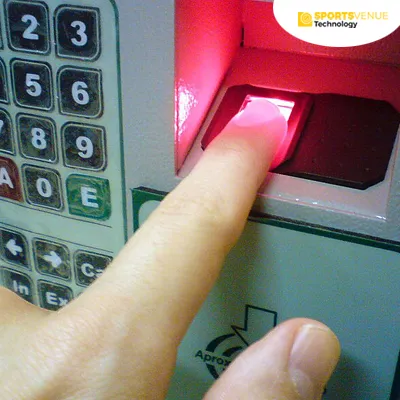
With the current development going to the next level, biometric security is becoming one of the strongest foundational aspects of sports venue management. According to the experts, the incorporating of biometric systems in the sports facilities by the year 2025 will change the course of organization of events on one hand, and guarantee improved security measures and on the other – a better experience for a spectator. Fingerprint scanners, faces recognition and many others, are on the way to providing the world with smarter, safer and efficient facilities for sports.
Why Biometric Security?
The main rationale for deploying biometric security in sports venues is to counter changed threats and pressure for efficiency. Traditional security measures, such as manual ticket checks and surveillance cameras, often fall short in handling the challenges posed by modern sports events, such as:
• Large Crowds: It has been noted that it takes high levels of technologies to ensure identification of tens of thousands of attendees.
• Fraud Prevention: Ticket frauds and unauthorized access are other related problems that are common.
• Health Concerns: The awareness post the pandemic has increased the need for touchless and hygienically designed security products.
Biometric systems offer a strong response to all these challenges since they use physiological characteristics like fingerprints, iris, or face to make several forms of identification and verification.
Key Biometric Technologies for Sports Venues
By 2025, sports venues are expected to adopt a variety of biometric technologies, each serving specific purposes:
1. Facial Recognition - Of all the biometric tools, facial recognition stands out as probably the most useful for sports arenas. Systems where cameras are mounted with AI software to capture people’s faces can instantly ticket and grant entry rights as necessary. This kind of technology does away with paper tickets and can help alleviate clogging of entry points and ticket piracy.
2. Fingerprint Scanning - Fingerprint scanners are another old hat of biometric technology. Still using less contactless than facial recognition technology, fingerprints are utilized as scans and remain popular for staff identification and restricted access to specific spaces within the venues.
3. Iris and Retina Scanning - Iris recognition and retina scanning are even more accurate and secured than any other technology. Although still relatively expensive and thus not yet dominant in the sports complex construction, there are expectations for such technologies to be widely implemented in security protected areas of a stadium including VIP boxes and dressing rooms.
4. Voice Recognition - Voice recognition systems could emerge as one of the most strategic in helping to improve fans’ engagement. Some real examples which comes to my mind includes buying snacks or merchandise with voice commands connected to your ticketing account.
5. Palm Vein Scanning - Of the biometric technologies, palm vein is also getting appreciation due to its less contact type and more accurate results. This could be one of the favorite methods for secure payment and access control in the sporting events by the year 2025.
Applications of Biometric Security in Sports Venues
Biometric securities do not only find application in granting access to those areas that are forbidden for usual visitors – it also plays an important role in other branches of using sports venues. Here are the key areas where these technologies will make an impact by 2025:
1. Seamless Ticketing and Entry
Currently, the use of biometrics is expected to take the place of the conventional ticketing process. Fans could provide some forms of identification such as facial or fingerprints when buying tickets. At entry gates therefore, biometric scanners would determine their identity and everybody would be allowed to get in almost immediately without any form of hindrance.
2. Enhanced Security
Watchlist cameras are fixed in different locations and can recognize persons of interest or notice pre-suspected actions. Such precaution eliminates possibilities of security breaches greatly makes the environment secure to all participants.
3. Personalized Fan Experiences
There are opportunities to use bio data to make experiences of fans more relevant. For example, the identification of faces can be useful for greeting on large screens or offer the already bought goods or preferred types of beer.
4. Contactless Payments
It will become easier to perform transactions within the venues through other forms of biometric authentication. To buy merchandise and snacks, fans can safely pay as cashless with fingerprint or facial recognition to make the transactions.
5. Access to VIP Zones and Amenities
Probably VIP areas, media area, and locker areas prompt high level of security. Biometric systems will make it possible only rightful individual to access the premises hence improving privacy and security.
6. Health and Safety Compliance
Biometric thermometers and health scanners can therefore measure the temperatures of attendees and detect any pre-existing disease. This feature will hence be important for ensuring compliance to public health measures during occasions like festivals.
Predictions for 2025
As biometric security systems become more prevalent, here are key trends and developments expected by 2025:
1. Global implementation of this kind - biometric systems will be adopted in sporting facilities ranging from local and global standards. This report makes a business case for the technology as it aligns with the objective of improving security while at the same time reducing operation costs.
2. Implementation in conjunction with the systems of Smart environments - Biometric identification and authentication will become embedded in smart stadium environments. Through connections with IoT devices, sound wave sensors, AI analysis, and mobile applications, biometrics will allow for frictionless engagement at each contact point.
3. By improving transparency in the use of biometric technology Fans Trust and better data protection measures - the fan trust in biometric systems will grow. Stadiums are going to be required to follow strict data protection laws, the details of which will define how biometric information of fans is to be processed and stored.
4. Development of Advanced Dispersed Techniques - New technologies in use of artificial intelligence will augment experiences in the use of biometric systems. Thus, key applications such as facial recognition software will also be able to detect people even in extreme situations such as poor lighting or crowded places.
5. Cost Reduction - Cost may be cited as the main reason why biometric systems shall not be implemented because in the current society the price of setting biometric systems is still high, however as the technology continues to be developed the cost will reduce and even companies of mid and small sized arenas will be able to install the biometric systems.
Challenges and Concerns
While the future looks promising, certain challenges must be addressed:
1. Privacy Concerns - The collection and storage of biometric data are privacy related. Sport facilities therefore require to be more open and obey laws such as GDPR to build confidence.
2. Cost of Implementation -- Implementation costs in biometric systems are relatively large especially for the small facilities. But in the long term the operational costs edge out the expenses as the plant operates continuously.
3. Technical Glitches - There is an imperative requirement that biometric systems function perfectly under any circumstances.
4. Ethical Implications - Malfunctions to these technologies may however have adverse effects on service delivery and overall fan satisfaction.
Conclusion
Biometric security is set to revolutionize the expanse of sports facilities by 2025. By designing security standards, customer experience, efficiency, accuracy and reliability, biometric systems have advantages. However, their success depends on one’s ability to overcome the privacy obstacles, bringing the overall costs down, and enlightening the stakeholders of the merits of this technology.
In that regard, biometric security will surely become an inseparable part of the development of sports industry and experience of fans and venue management. With regards to the present investments in these innovative technologies, the stadiums can be assured that they would be among the pioneers of the better and safer technologies in the future.
 Media Pack Download
 Newsletters
 Industrial Events